
Application of Innovative and Emerging Technologies for the Remediation of POP-Contaminated Sites - A Comprehensive Review
Published 2025-11-24
Keywords
- Bioremediation,
- Environmental impact,
- Phytoremediation,
- Persistent Organic Pollutants,
- Remediation techniques
- Soil pollution ...More
How to Cite



Abstract
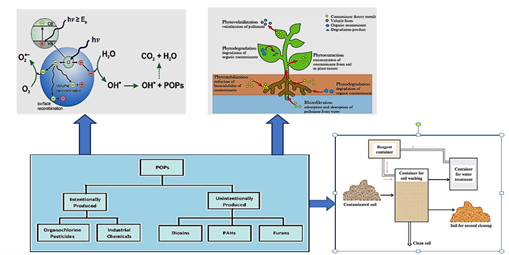
Persistent organic pollutants (POPs) are toxic chemical substances with a distinctive blend of physic-chemical properties that sustain their persistency for long periods when released into the environment. Many of these compounds were made initially for industrial application, crop production and the control of pests and diseases. Unfortunately, studies have revealed the extremely detrimental effects of the POPs to humans and the environment, due to the poor management of the chemicals. Some of these chemicals are hormone disruptors, linked to diseases like reproductive defects and cancer. A critical assessment of the most current developments in POP remediation technologies for soil is contained in this review. The effective and innovative types of POPs remediation technology were evaluated in this article. Furthermore, innovative and emerging techniques with high remediation performance such as the advanced oxidation processes, nanotechnology, and phytoremediation were thoroughly reviewed. In addition to analyzing the advantages and disadvantages of each technique, this comprehensive review emphasizes the importance of integration strategy in water treatment technologies. The information provided on the emerging, diverse clean-up techniques for remediating POPs contaminated sites would be of great benefit to researchers, policy makers, and environmental professionals facing the challenges of POPs removal from soil.